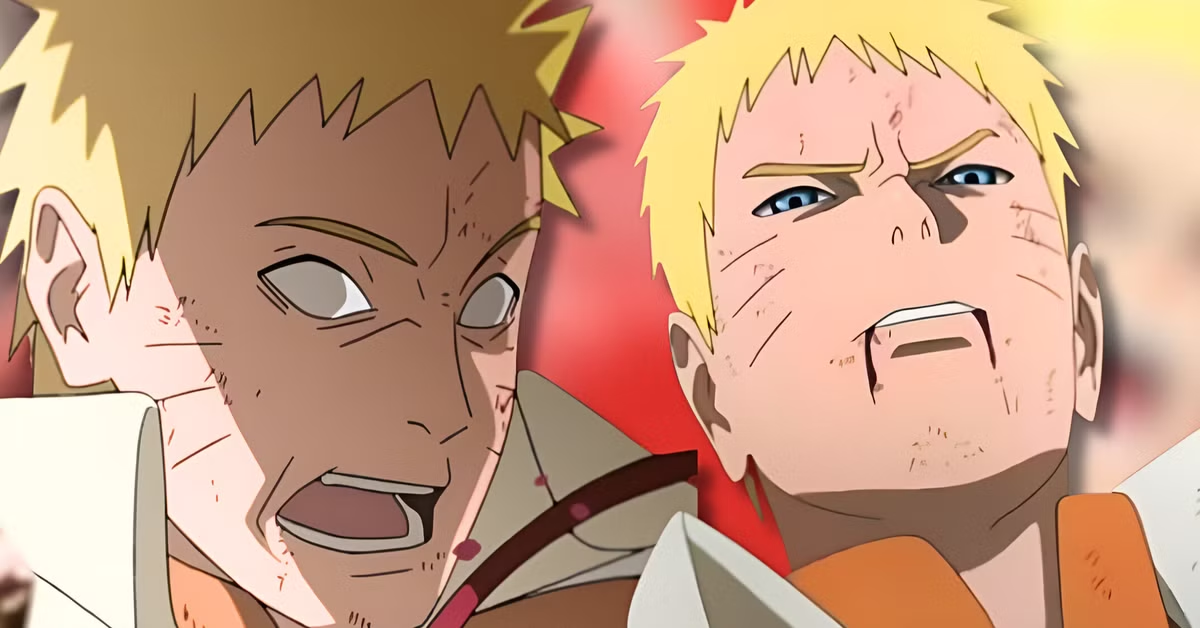
Remember when shonen anime meant watching Naruto chase his dream of becoming Hokage or Luffy stretching his way through the Grand Line? Those classics still hold a special place in our hearts, but something's shifted in the anime landscape. Walk into any anime discussion today, and you'll find fans passionately debating the latest episodes of Jujutsu Kaisen, Chainsaw Man, or Hell's Paradise. The common thread? They're all unapologetically dark.
This isn't just a passing trend. Dark shonen anime have become the genre's new driving force, and the numbers back it up. But what exactly makes these stories so compelling that fans can't get enough?
The Evolution Nobody Saw Coming
Shonen anime has always been about growth, friendship, and overcoming impossible odds. Those elements haven't disappeared—they've just gotten a brutal reality check. Modern dark shonen doesn't abandon the genre's core values; it stress-tests them in ways that feel raw and real.
Take Jujutsu Kaisen as a prime example. Yuji Itadori starts with the classic shonen protagonist setup: he's strong, optimistic, and wants to save people. But the series immediately subverts expectations. Characters die, and they stay dead. Trauma isn't something you bounce back from after a training arc. The weight of each decision lingers, and victories often feel hollow.
This shift reflects something important about the audience. The fans who grew up with Dragon Ball Z and Bleach are now adults dealing with complex realities. They're craving stories that acknowledge life isn't always about winning through sheer determination. Sometimes the good guys lose. Sometimes saving everyone isn't possible. That honesty resonates.
What Makes Dark Shonen Different?
The "dark" label gets thrown around a lot, but what actually defines these series? It's more than just blood and gore, though there's certainly plenty of that.
Moral Ambiguity Rules: Traditional shonen gave us clear-cut villains and heroes. Dark shonen blurs those lines until they're barely visible. In Chainsaw Man, Denji's motivations are embarrassingly mundane—he just wants to eat good food and touch some boobs. He's not trying to become the greatest devil hunter or protect humanity. He's surviving, and that unvarnished honesty makes him fascinating.
Stakes That Actually Matter: How many times have we watched a shonen protagonist get beaten within an inch of their life, only to power up and win? Dark shonen throws that safety net away. When Attack on Titan killed off major characters in shocking ways, it sent a message: nobody's safe. That unpredictability keeps viewers on edge.
Psychological Depth: These shows dig into the mental toll of violence and loss. Demon Slayer might look gorgeous, but beneath the stunning animation lies a story about survivors carrying devastating grief. Tanjiro's journey isn't just about defeating demons—it's about maintaining his humanity while surrounded by inhumanity.
Must-Watch Dark Shonen Anime
If you're ready to dive into the darker side of shonen, here are some essential series that showcase why this subgenre has captured everyone's attention:
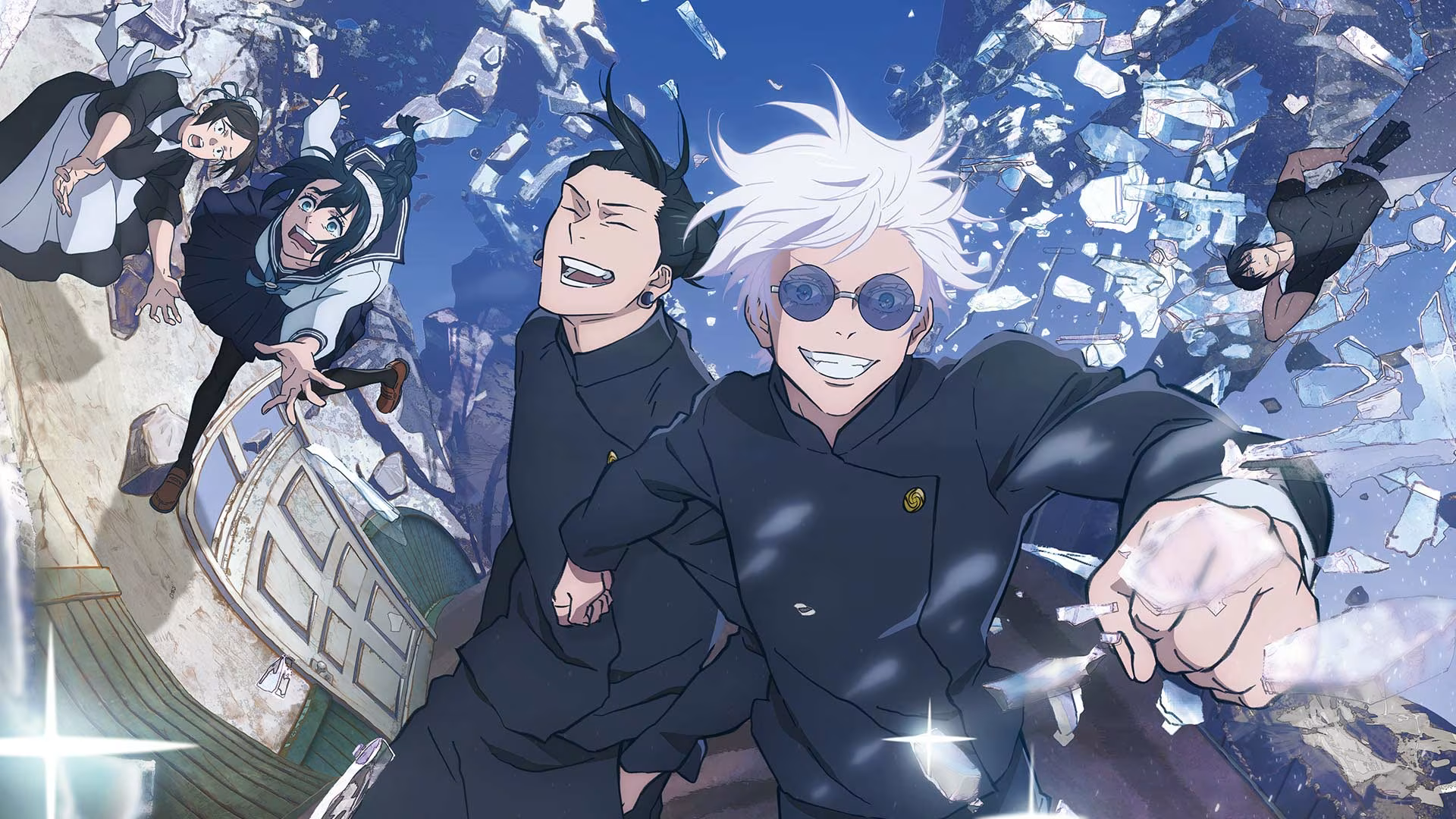
Jujutsu Kaisen - Start here if you want the perfect introduction to modern dark shonen. It takes familiar battle anime tropes and twists them into something genuinely unpredictable. The Shibuya Incident arc alone will have you questioning everything you thought you knew about shonen storytelling.
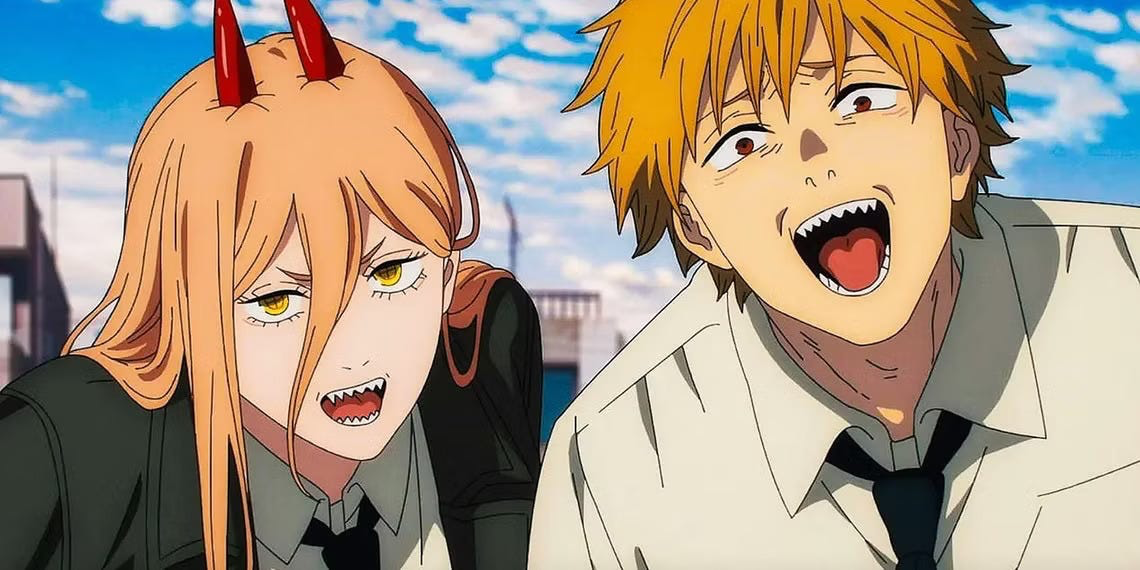
Chainsaw Man - Denji's crude, chaotic journey is unlike anything else in the genre. MAPPA's adaptation brings Fujimoto's wild manga to life with stunning brutality. Fair warning: this one doesn't hold back on the gore or the emotional gut-punches.
Attack on Titan - The series that arguably kicked off this whole movement. What starts as humanity's last stand against giant monsters evolves into a complex meditation on freedom, prejudice, and the cyclical nature of violence. The final season is still sparking heated debates.
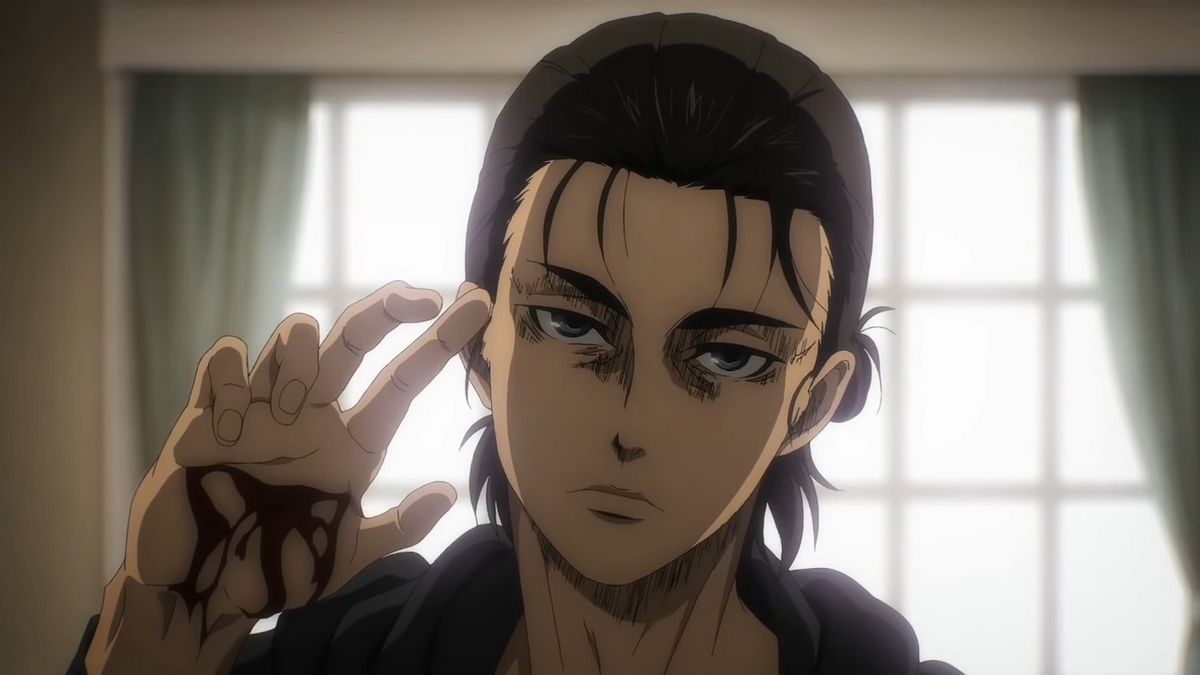
Demon Slayer - Proves that dark shonen can be breathtakingly beautiful. Beneath the gorgeous Ufotable animation lies a story about trauma, loss, and maintaining compassion in a cruel world. Tanjiro's unwavering kindness hits differently when surrounded by so much darkness.
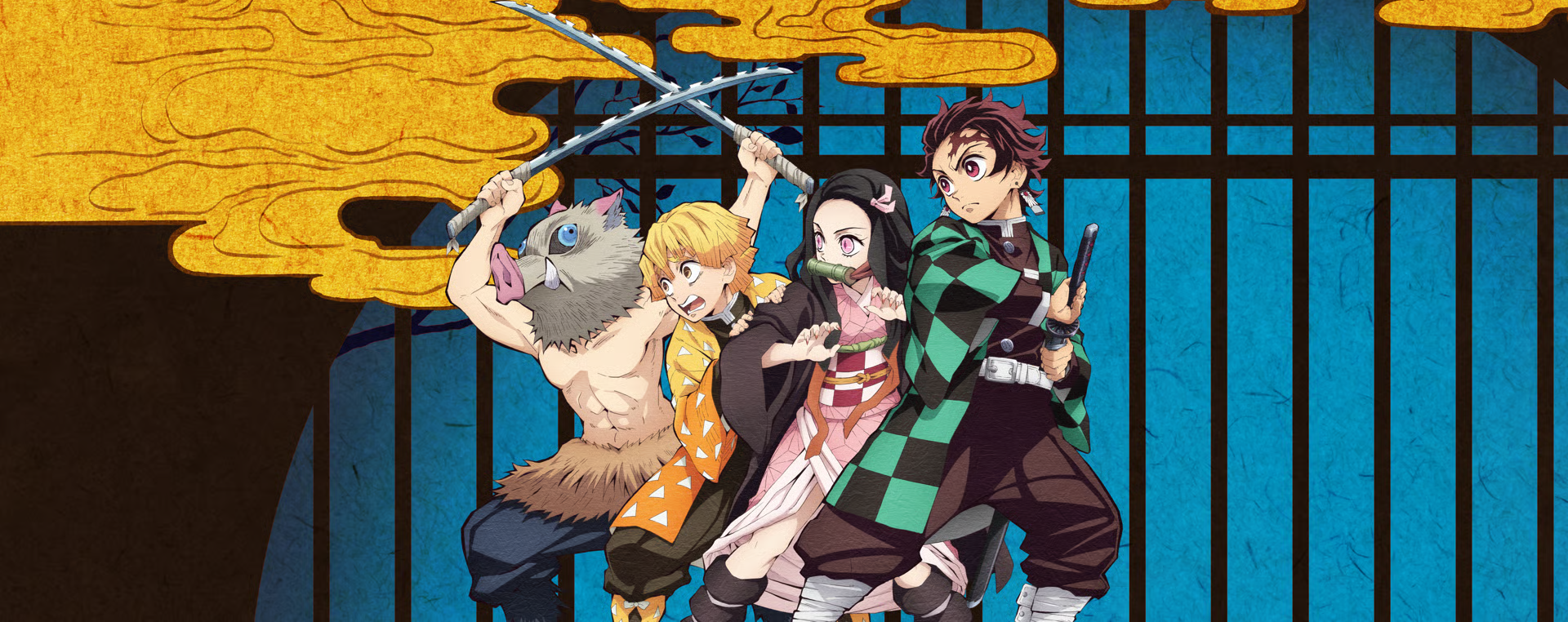
Hell's Paradise - A convicted ninja gets a shot at freedom if he can survive a mysterious island filled with deadly creatures. The body horror is intense, but the character development and philosophical questions make it more than just shock value.
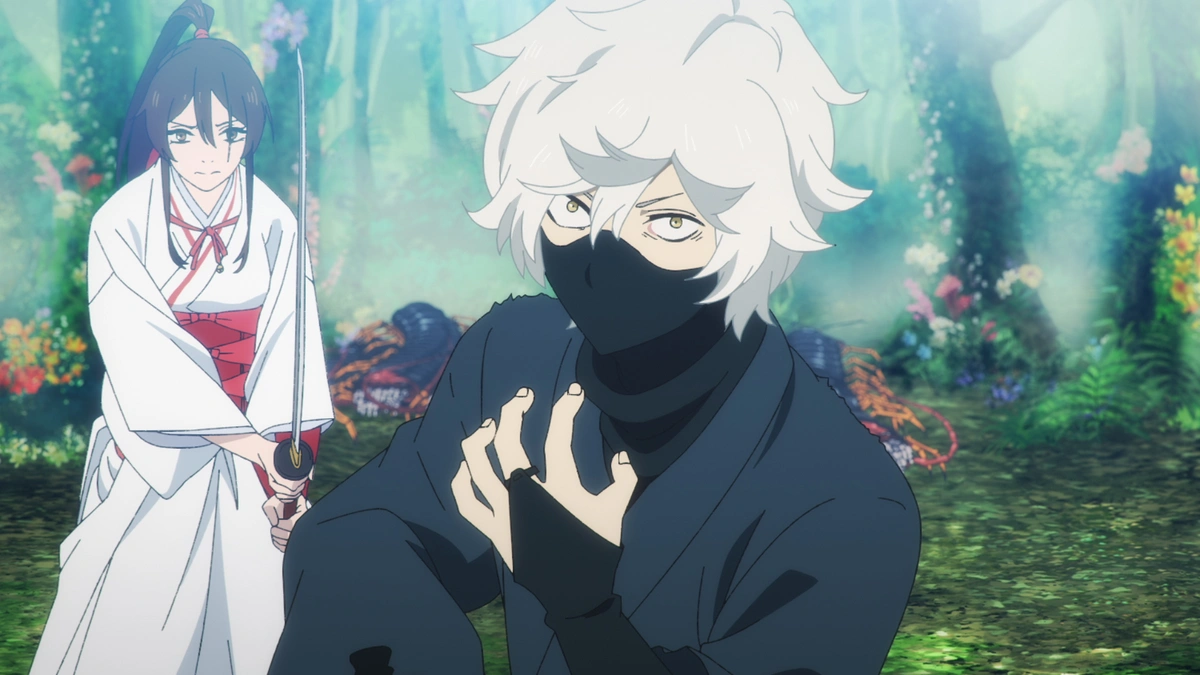
Tokyo Ghoul - The original series (not the later seasons) remains a powerful exploration of identity and what it means to be human. Kaneki's transformation and struggle with his dual nature still hits hard years later.
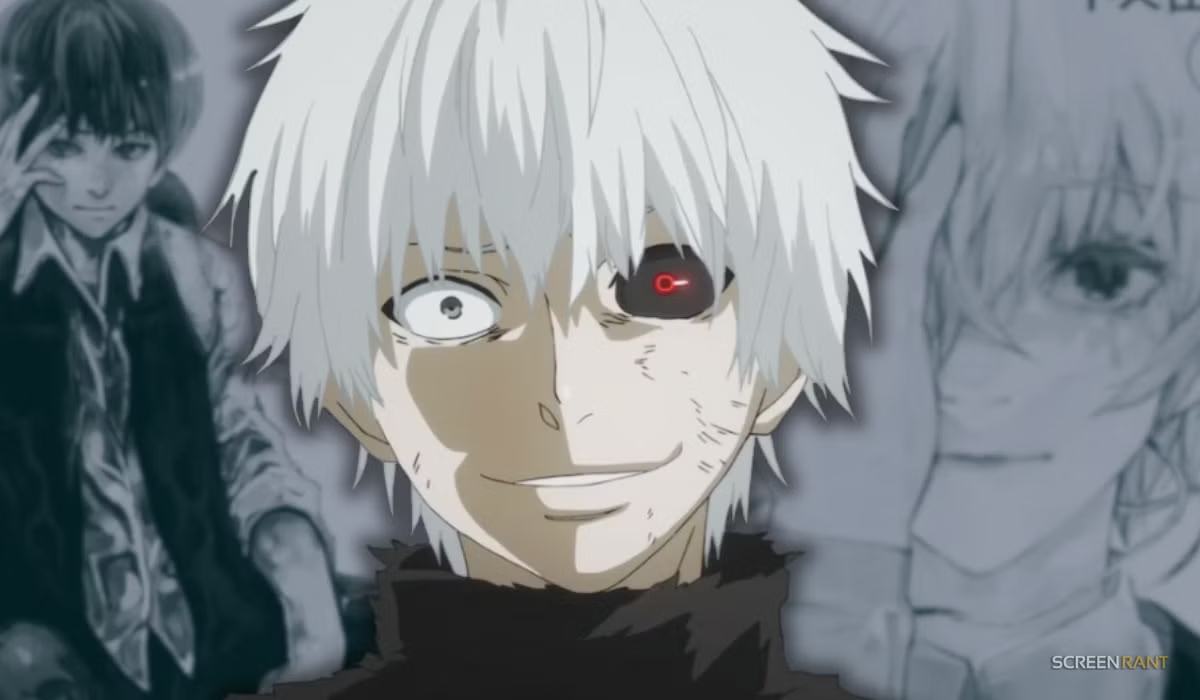
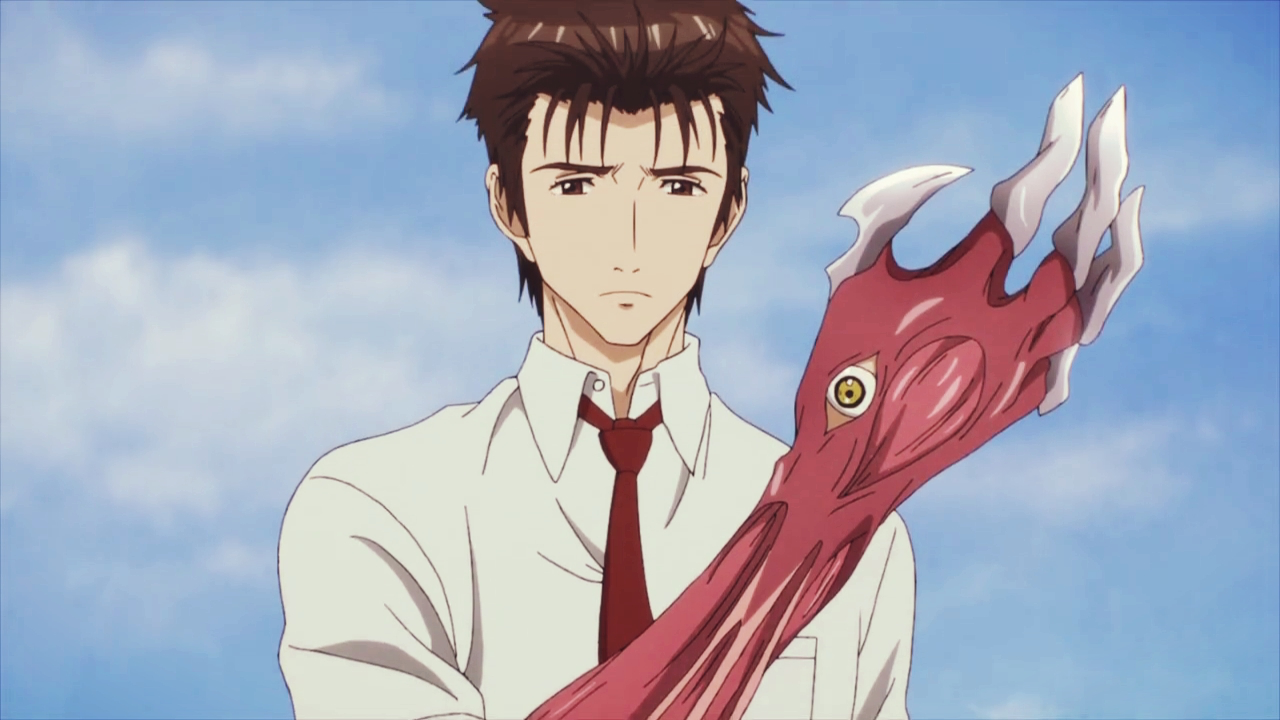
Parasyte: The Maxim - An older entry that holds up remarkably well. When alien parasites invade Earth, high schooler Shinichi must coexist with one that failed to take over his brain. It's philosophical, brutal, and surprisingly moving.
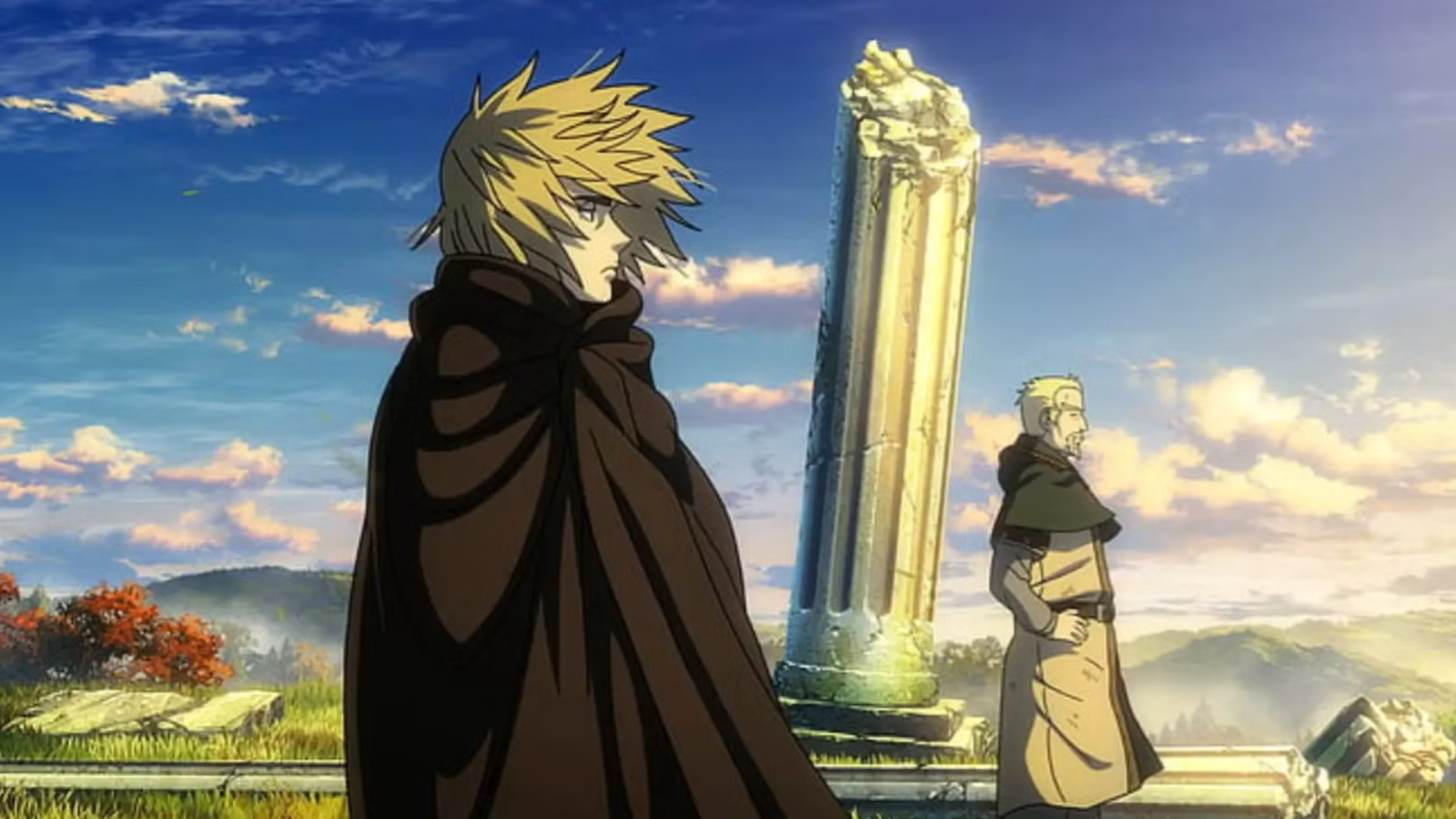
Vinland Saga - Starts as a Viking revenge tale and evolves into one of the most profound explorations of violence and pacifism in anime. Thorfinn's journey from hatred to redemption is absolutely worth the emotional investment.
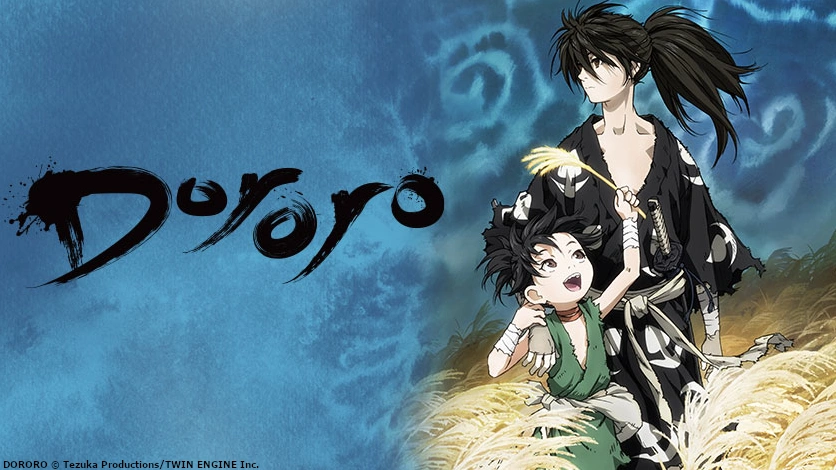
Dororo - A samurai born without body parts fights demons to reclaim them in feudal Japan. It's dark, atmospheric, and tackles themes of humanity and sacrifice with surprising depth. The relationship between Hyakkimaru and Dororo is the emotional core that makes everything land.
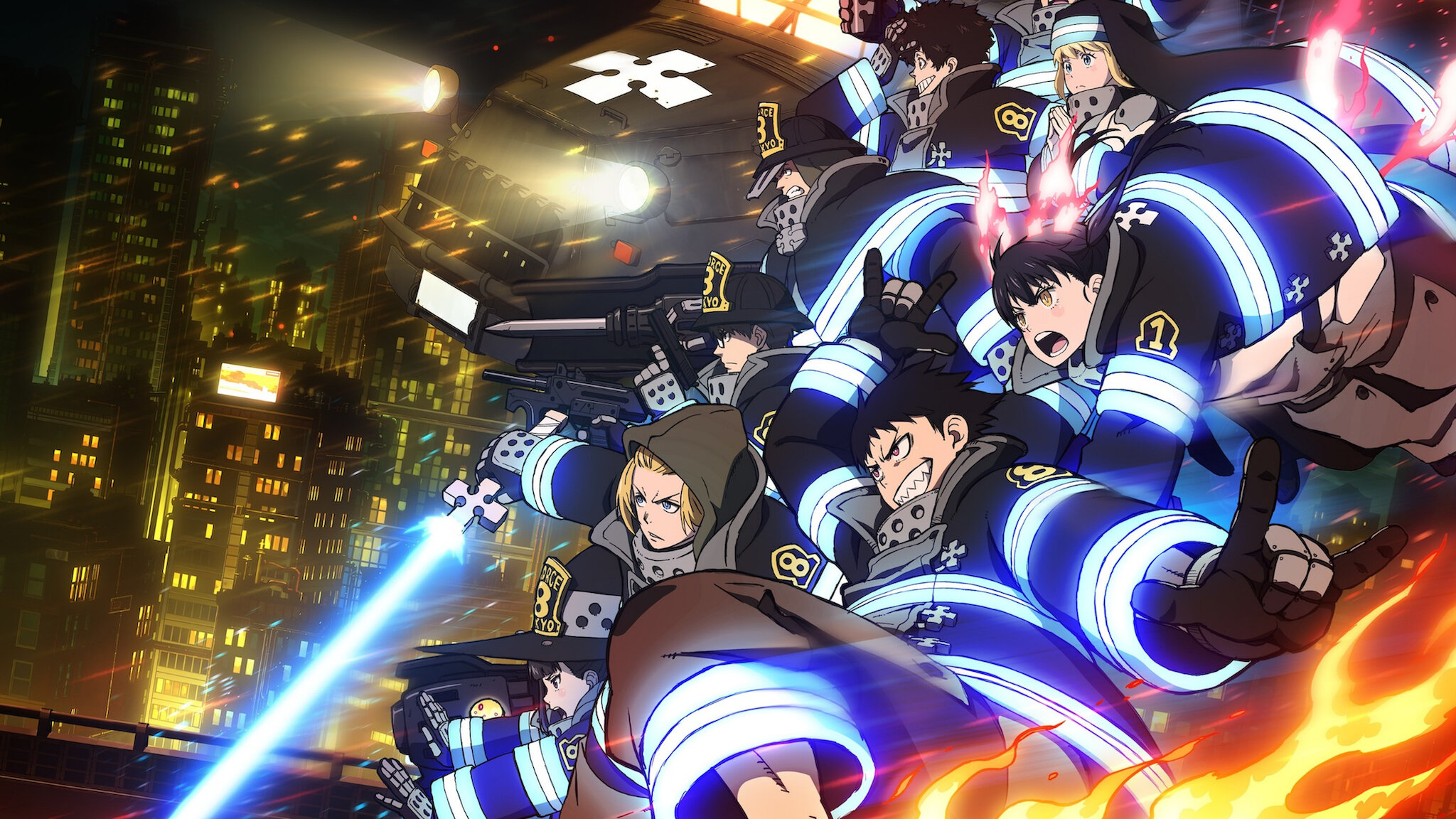
Fire Force - Don't let the occasional fanservice fool you—this series gets surprisingly dark as it explores religious manipulation, human combustion, and apocalyptic conspiracies. The animation during fight scenes is absolutely fire (pun intended).
Each of these series brings something unique to the table while embracing the darker, more complex storytelling that's redefining shonen anime. Whether you're after psychological horror, moral complexity, or just spectacular fights with real consequences, there's something here for you.
The Anti-Hero Era
Perhaps nothing defines dark shonen more than its embrace of flawed protagonists. Gone are the days when main characters needed to be role models. Today's shonen heroes are messy, selfish, and sometimes downright unlikable—and fans love them for it.
Eren Yeager's transformation from idealistic kid to morally questionable force of nature sparked debates across the internet. Was he right? Was he wrong? The fact that Attack on Titan made viewers genuinely wrestle with these questions shows how far shonen has come. These aren't simple power fantasies anymore; they're character studies wrapped in spectacular action.
Even series that maintain some traditional elements, like My Hero Academia, have gotten noticeably darker as they've progressed. Deku's journey has evolved from "I want to be the greatest hero" to grappling with systemic corruption, the cost of heroism, and whether the society he's protecting deserves saving.
Why Fans Are Hungry for More
The success of dark shonen isn't surprising when you consider what audiences are seeking. In an age where superhero fatigue is real and predictable storytelling feels stale, these anime offer something refreshing: genuine unpredictability.
Social media has amplified this hunger. Every episode drop becomes an event, with fans dissecting each frame for clues about what's coming next. The emotional investment runs deep because these stories earn it. When Jujutsu Kaisen aired the Shibuya Incident arc, Twitter exploded not just with reactions to the animation, but with genuine heartbreak over character fates.
The production quality helps too. Studios have realized these series deserve top-tier treatment. MAPPA's work on Chainsaw Man and Jujutsu Kaisen showcases how stunning dark shonen can look when given proper resources. The visceral animation doesn't just show violence—it makes you feel every impact, every loss.
The Double-Edged Sword
Of course, not everyone's thrilled with this shift. Some longtime fans argue that shonen has lost its optimistic heart, that everything's become needlessly edgy. There's validity to that concern. When every new series tries to out-dark the last one, genuine emotional moments can feel manufactured.
The key is balance. The best dark shonen series use their darkness purposefully, not as a gimmick. Demon Slayer balances its brutal demon battles with genuine moments of beauty and connection. Chainsaw Man punctuates its chaos with surprising emotional depth. The darkness serves the story rather than defining it.
What's Next?
The appetite for dark shonen shows no signs of slowing down. Upcoming series like Sakamoto Days and continuing sagas promise to push boundaries even further. The genre has proven it can handle mature themes without losing the spectacular action and character growth that made shonen popular in the first place.
What's exciting is watching how creators navigate this space. They're not simply making everything grimdark—they're exploring what happens when you force traditional shonen ideals through the meat grinder of complex reality. Can friendship overcome everything? What's the real cost of power? How do you maintain hope in a hopeless world?
These questions resonate because they mirror our own struggles. Dark shonen has succeeded by refusing to talk down to its audience, by acknowledging that life is complicated and messy and often unfair—but still worth fighting for.
The takeover isn't about darkness for darkness's sake. It's about evolution, about a genre growing up alongside its audience and refusing to look away from the hard truths. And judging by the passionate fanbase growing louder with each new release, this is exactly what viewers have been craving all along.